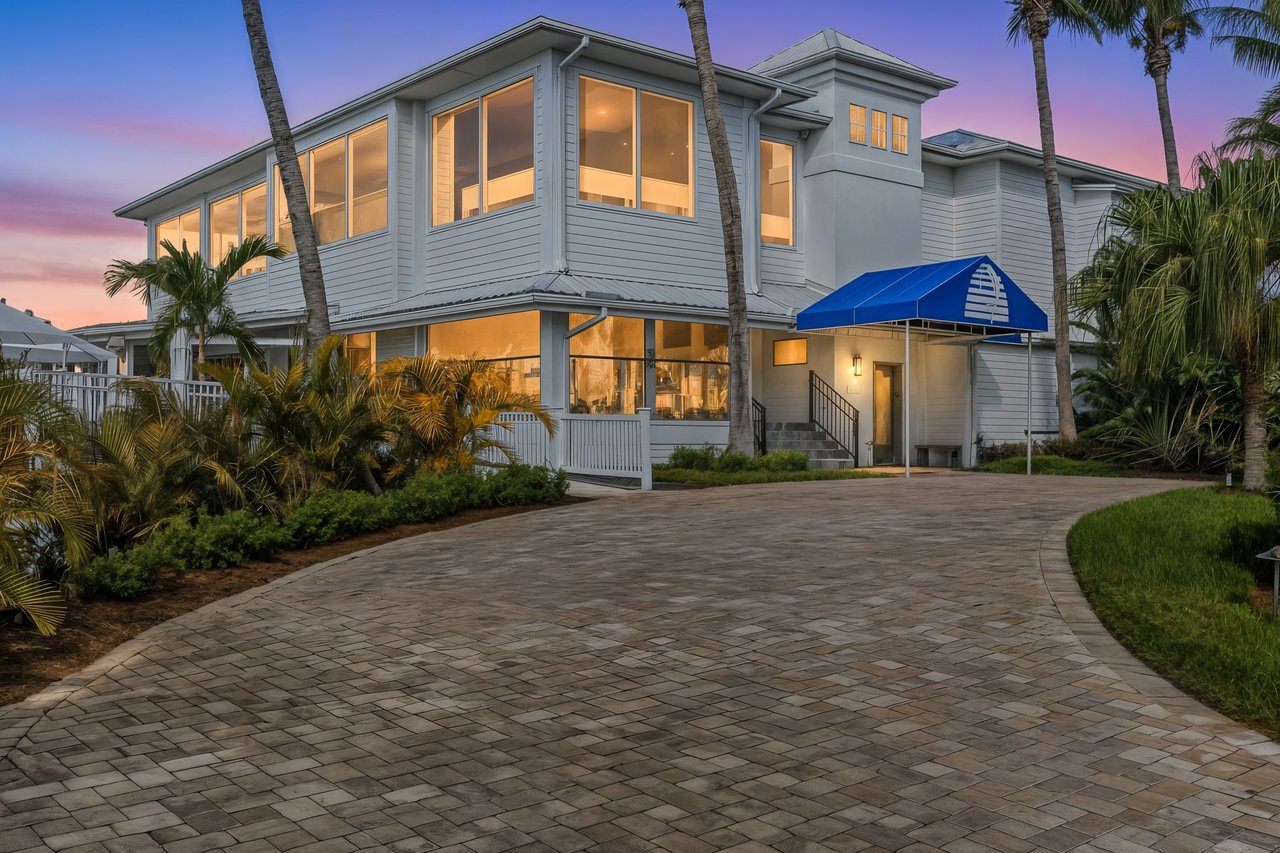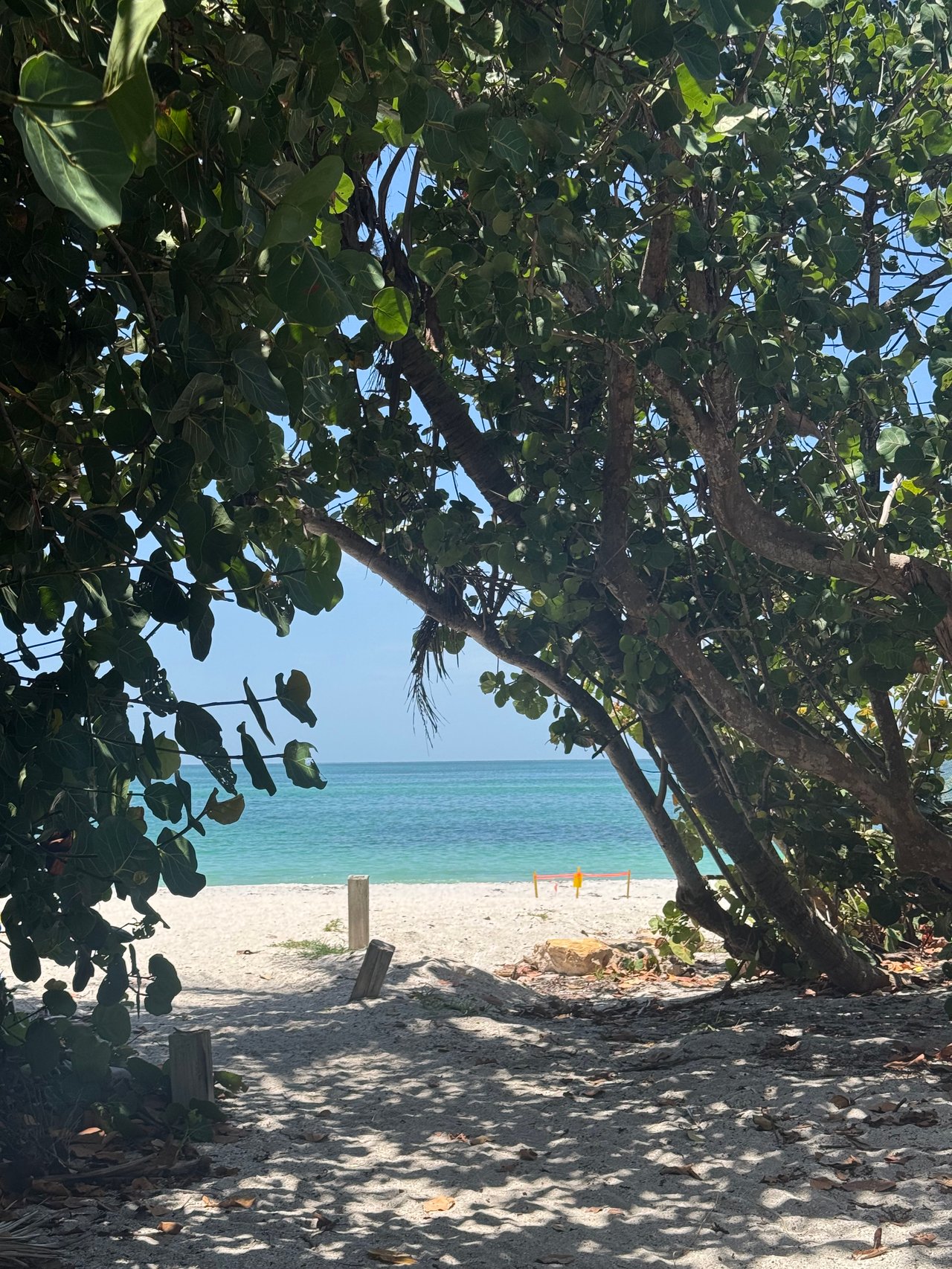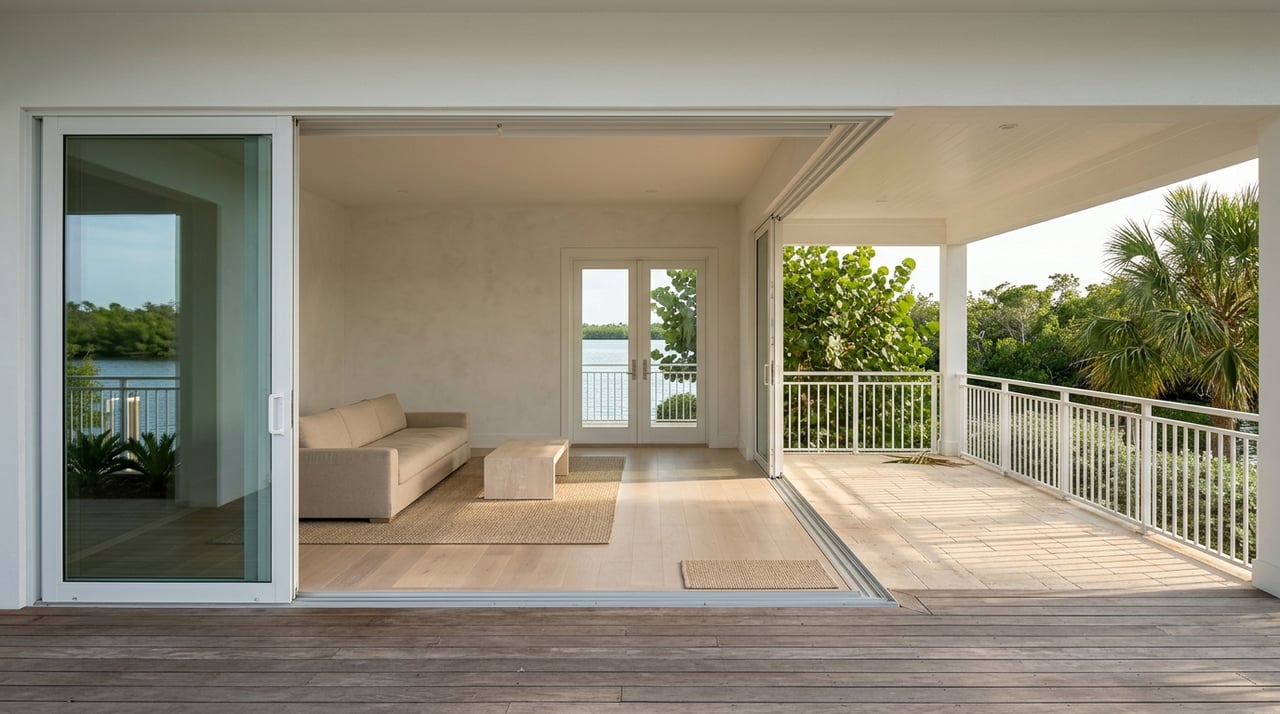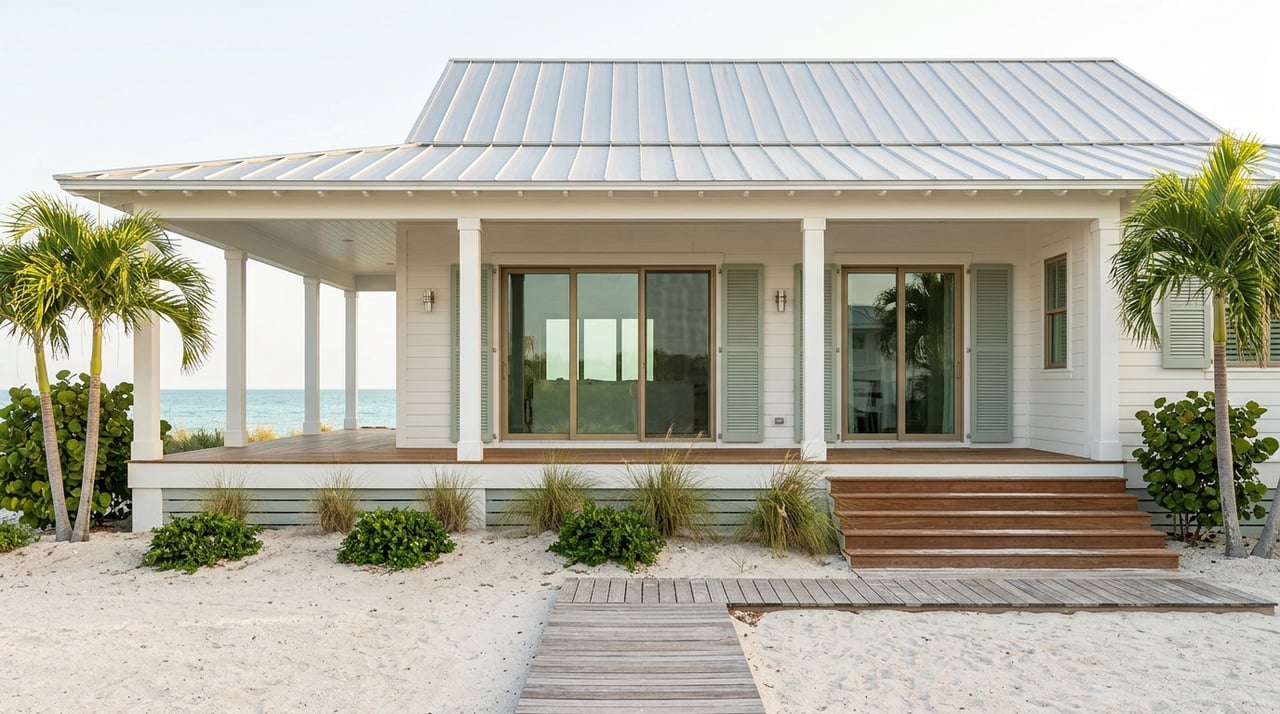
If you have ever dreamed of waking up to turquoise water and a quiet stretch of sand, buying on The Beach in Boca Grande can feel like the ultimate island move. It is also a purchase that comes with more moving parts than many buyers expect, especially when you look beyond the view. When you understand access, coastal rules, storm exposure, and long-term upkeep, you can make a more confident decision. Let’s dive in.
Why beachfront in Boca Grande is unique
Beachfront ownership here is shaped by more than scenery. Lee County describes Boca Grande as a coastal community on Gasparilla Island and nearby islands, with a planning focus on protecting the barrier-island environment, historic character, open space, and limited infrastructure.
That matters because the island experience is intentionally restrained. The community plan also notes that the Gasparilla Island Conservation District was created to limit development density, which helps preserve the character many buyers value.
Access also sets this area apart. Gasparilla Island has one vehicle connection from the mainland via the Boca Grande Swing Bridge and causeway, and a toll applies to enter the island. For you as a buyer, that means beachfront ownership is not just a premium for views. It is also a premium for island access, regulations, and coastal conditions.
Understand what “on the beach” really means
Not every property near the shoreline offers the same daily experience. Lee County lists 14 Gulf-side beach locations and notes that not all Gulf-side spots have an actual beach to access at all times.
On the south end, the county identifies 14 walking paths from Gulf Boulevard to the beach, and these paths are primitive and do not have parking. That means a home that is close to the beach may still feel very different from a property with direct Gulf frontage.
Before you buy, confirm whether the property is truly Gulf-front, has shared frontage, or simply sits near a public access path or view corridor. Those details can affect privacy, convenience, and how you use the property day to day.
Check beach access like any other asset
Beach access should be part of your due diligence, not an assumption. Lee County notes that beach conditions and access points can change, and temporary advisories or closures may be posted when erosion or sand work affects the area.
That makes title review and property-specific document review especially important. You will want to verify whether access is direct, deeded, shared, or dependent on nearby public access.
For many luxury buyers, this is one of the biggest differences between a strong fit and a disappointing one. A beautiful home near the water can still function very differently from a home with true beachfront rights and immediate access.
Coastal rules can affect future plans
If you are thinking ahead to renovations, exterior updates, or new construction, coastal regulation matters. Florida’s Coastal Construction Control Line, often called the CCCL, marks the landward limit of state coastal jurisdiction along sandy beaches and identifies areas subject to severe storm-related fluctuations.
Charlotte County states that development within the coastal building zone, on coastal barrier islands, in the sea turtle lighting zone, or seaward of the CCCL requires added review. In practical terms, this can affect what you can build, how you can modify a property, and how long approvals may take.
Lee County adds more local context through the Boca Grande community plan. The plan supports traditional development patterns, setbacks, respect for the CCCL, and limits on height and growth impacts. It also discourages oversized homes, which is worth remembering if you are evaluating expansion potential.
Historic context may matter too
Some homes in Boca Grande also fall within a historic framework. Lee County notes the presence of the Boca Grande Historic District and Historic Preservation Board, which can matter if you buy an older home and want to remodel.
That does not mean a historic property is harder to own. It does mean you should understand the review process early, especially if your vision includes exterior changes, additions, or design updates.
For buyers who appreciate timeless island architecture, this can be part of the appeal. The key is knowing the rules before you plan your budget and timeline.
Lighting and turtle-season rules are important
Beachfront ownership also comes with environmental responsibilities. Charlotte County says construction during sea turtle nesting season, from May through October, is reviewed, and both new and existing beachfront lighting are reviewed to reduce artificial light visible from the beach between sunset and sunrise.
Florida wildlife guidance recommends low-mounted fixtures, long-wavelength amber, orange, or red lighting, full shielding, motion sensors, vegetation buffers, and window treatments or tint so interior light is less visible from the beach. If you are comparing properties, it is smart to look at current exterior lighting and any future upgrades you may need.
These are not small details. For a beachfront owner, lighting compliance can shape usability, design choices, and maintenance planning.
Flood insurance needs careful review
Flood risk is central in any beachfront purchase. FEMA states that flood insurance is separate from homeowners insurance, and that homeowners coverage does not typically include flood damage.
FEMA also notes that homes in high-risk flood areas with mortgages from government-backed lenders are required to carry flood insurance. That is why it is important to confirm the exact flood zone, elevation data, and a current flood insurance quote for the specific parcel before you move forward.
This is one of the areas where precise local guidance matters most. A home’s view and location may be similar to a nearby property, but the insurance picture can still be very different.
The shoreline is managed, not fixed
One of the most important mindset shifts for beachfront buyers is this: the beach is dynamic. Lee County states that the Gasparilla Island shoreline from Boca Grande Pass to 17th Street is designated critically eroded by the state, and the most recent nourishment project was completed in June 2019.
The U.S. Army Corps of Engineers says this shoreline segment includes periodic nourishment, with federal participation extended through 2056, and that the shoreline experienced additional storm damage in 2022 and 2024. In other words, sand width, dune conditions, and access can change over time.
Lee County’s community plan also calls for renourishment efforts to include dune systems, vegetation, and wildlife communities. For you as a buyer, that means the shoreline should be viewed as a managed coastal system, not a permanent, fixed amenity.
Think through ongoing maintenance
Owning on the beach often means higher ongoing care than owning farther inland. In addition to normal home maintenance, you may need to budget for storm-related repairs, dune or landscape upkeep, lighting compliance, and the practical costs of island access.
Bridge tolls are also part of everyday ownership. While that may feel minor compared with the value of the property, it still belongs in your long-term ownership budget and routine planning.
If you are buying from out of state or using the home part time, these details matter even more. It helps to think beyond the purchase price and evaluate the property as a long-term operating decision.
Water quality and beach conditions can shift
For everyday use, beach conditions are not static either. The Florida Department of Health in Charlotte County conducts biweekly water-quality testing at nine sampling sites throughout Boca Grande and nearby beach areas.
The county also notes that if a beach is closed after a hurricane or another event, monitoring and advisories may stop for a period of time. That is useful context if you are buying with regular swimming, walking, or seasonal visits in mind.
In short, beachfront living here is beautiful, but it is also tied to weather, public advisories, and coastal management. Going in with realistic expectations will serve you well.
A smart buyer checklist for The Beach
Before you commit to a beachfront purchase in Boca Grande, focus on the details that shape ownership the most:
- Confirm the exact flood zone, elevation, and flood insurance quote for the parcel.
- Verify whether the property offers true Gulf frontage, shared access, or only proximity to a public access path.
- Review title records for easements, access rights, and other use limitations.
- Check HOA or condo documents separately, if they apply.
- Review any historic or coastal rules before making renovation plans.
- Look into erosion history, nourishment work, and nearby access advisories.
- Budget for bridge tolls, storm repairs, lighting compliance, and ongoing exterior maintenance.
For a market like Boca Grande, detail work protects your lifestyle as much as your investment. A property can be stunning and still require careful review before it is truly the right fit.
Why local guidance matters
Beachfront purchases in Boca Grande ask for more than a quick showing and a standard checklist. You need a clear understanding of title, access, regulation, and ownership costs, especially if you are buying from out of town or comparing several waterfront options.
That is where local experience can make a real difference. Jamie Curry’s background includes years handling island closings as a paralegal before moving into luxury real estate, which brings an extra level of care to detail-heavy transactions.
If you are considering buying on The Beach, the right guidance can help you weigh not just the beauty of a property, but how it will actually live over time. To start that conversation, reach out to Jamie Curry's real estate team.
FAQs
What should you verify before buying beachfront property in Boca Grande?
- You should confirm flood zone and elevation data, flood insurance costs, exact beach access rights, title issues such as easements, and any HOA, historic, or coastal-use restrictions tied to the property.
How does beach access work for homes near The Beach in Boca Grande?
- A home may have direct Gulf frontage, shared access, or simply be near a public access path, so you should verify the legal and practical access tied to the parcel rather than rely on location alone.
What coastal rules can affect a Boca Grande beachfront home?
- Coastal rules may affect construction, renovations, dune walkovers, shoreline work, and lighting, especially for properties within the CCCL area, sea turtle lighting zone, or other locally regulated coastal areas.
Why is flood insurance so important for Boca Grande beachfront buyers?
- Flood insurance is typically separate from homeowners insurance, and a lender may require it in a high-risk flood area, so getting a parcel-specific quote early is an important step in evaluating total ownership cost.
Can beach conditions change after you buy on The Beach in Boca Grande?
- Yes, beach width, dune conditions, access points, and advisories can change due to erosion, nourishment projects, storms, and temporary closures, which is why buyers should view the shoreline as a managed coastal system.
Are there special lighting rules for Boca Grande beachfront homes?
- Yes, beachfront lighting may be reviewed to reduce visibility from the beach during sea turtle nesting season, and compliant fixtures often include low-mounted, shielded lights with longer-wavelength colors and controlled interior light spill.