What makes Boca Grande feel so different the moment you arrive? It is not just the water or the old buildings. It is the way daily life still fits into a compact village where you can walk from a landmark inn to a shaded street, a community stop, a beach access point, and a simple ice cream break without rushing. If you are getting to know the island as a visitor, future buyer, or homeowner, this stroll will help you see how Boca Grande’s Historic District actually lives day to day. Let’s dive in.
Why the Historic District Feels So Walkable
Boca Grande’s village core was shaped early by the railroad, phosphate shipping, and resort development, and that history still shows in the layout today. County planning materials describe it as a compact, walkable district centered on the historic railroad station area, which helps explain why the streets feel connected and human-scaled.
The downtown historic district is generally framed between Gilchrist Avenue, 5th Street, Palm Avenue, and 3rd Street. Within that area, you can move easily between civic buildings, shops, dining spots, and nearby side streets without feeling like you need a car for every stop.
That small scale is part of the district’s lasting appeal. Boca Grande did not grow like a typical suburban market, and local planning continues to emphasize compatibility in scale and design with the existing character of the area.
Start With the Village Story
A local-style stroll makes more sense when you understand how the village came to be. Lee County ties Boca Grande’s early growth to the 1907 railroad, the phosphate industry, the 1909 plan to build the Gasparilla Inn, and the 1911 school.
That history helps explain the district’s layered look. You are not seeing a place built all at once. You are walking through an island village shaped by transportation, commerce, hospitality, and everyday community life over more than a century.
It also explains why the area remains relatively low-rise and visually cohesive. Preservation has helped protect the sense of place that buyers and long-time owners often value most.
Notice the Architecture as You Walk
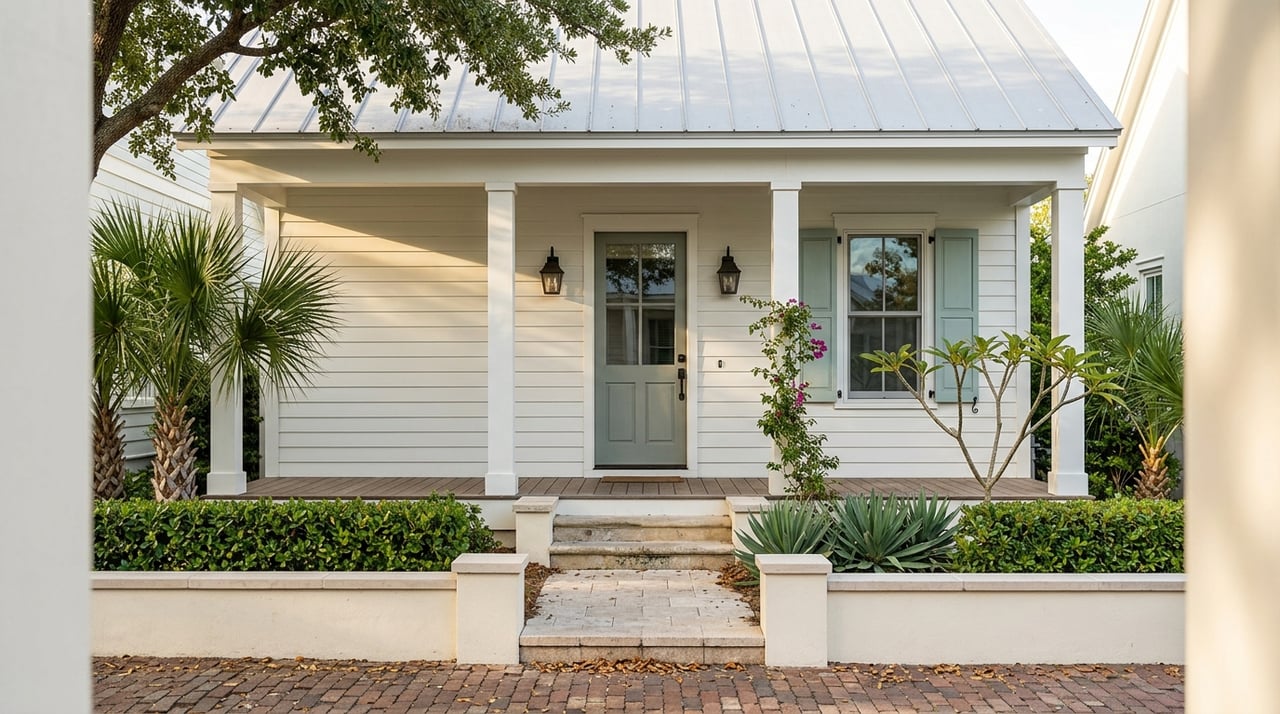
Boca Grande’s early buildings were designed for a subtropical barrier-island setting. County history materials note common features like raised floors, wide eaves, covered porches, louvered shutters, high ceilings, and cisterns for rainwater.
As you walk, those details make the district feel practical as well as beautiful. The architecture was shaped by climate first, which gives many historic homes and buildings a timeless, comfortable look rather than a formal or overly ornamental one.
You may also notice stylistic variety. Lee County notes that later waterfront estates introduced more decorative architecture, including Mediterranean Revival influences, while bungalow housing developed south of the commercial district for railroad workers.
See the Gasparilla Inn Up Close
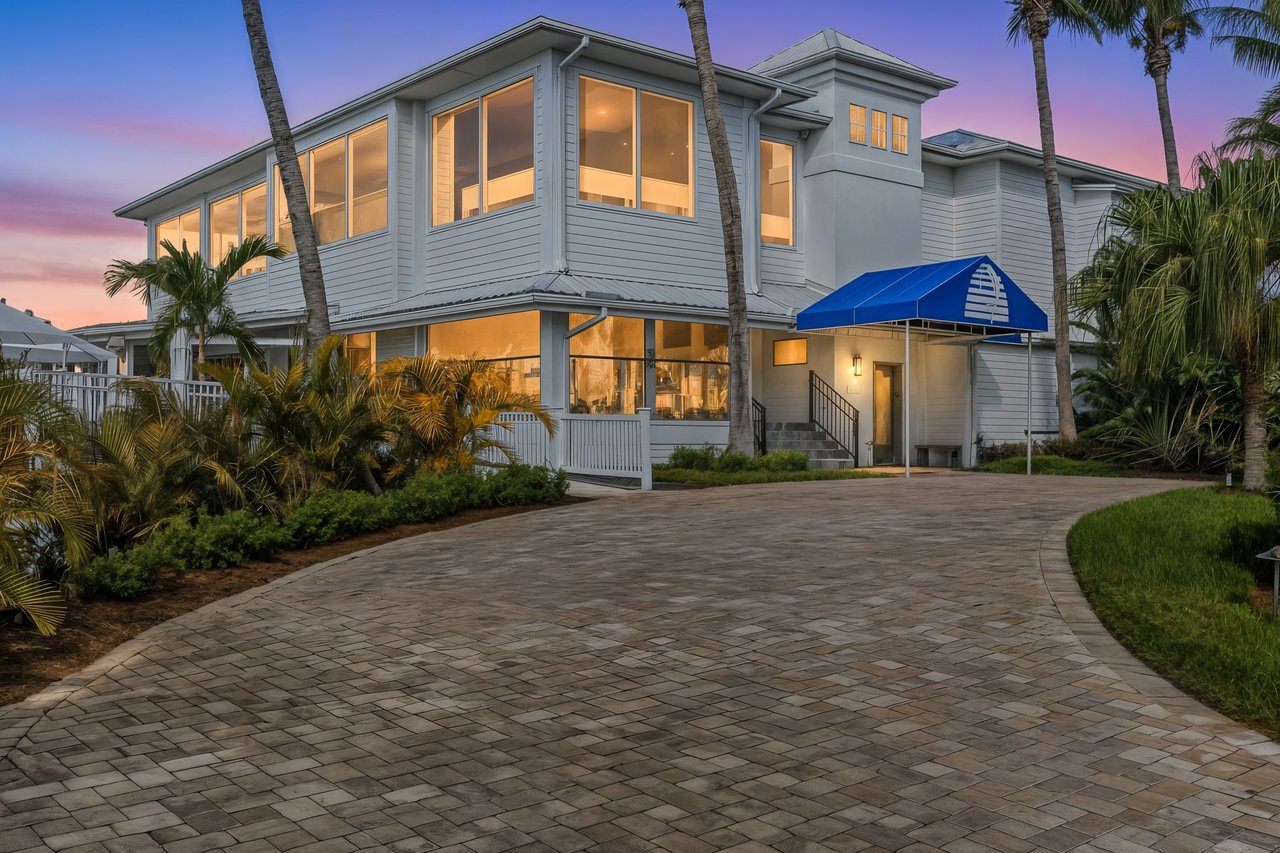
No local stroll through Boca Grande feels complete without pausing at the Gasparilla Inn at 500 Palm Avenue. The property opened as Hotel Boca Grande in 1911 and was renamed The Gasparilla Inn in 1913.
Over time, the inn took on Queen Anne and Neo-Classical design elements during later expansion. Today, it remains a defining landmark in the village and a useful anchor point when you are getting your bearings on foot.
For buyers, this stop also says something important about the market. Boca Grande’s character is not tied to one single architectural style or one era of development. It is the mix of heritage, restraint, and continuity that makes the village feel so distinct.
Add the Community Center to Your Route
The Boca Grande Community Center at 131 1st Street is more than a practical stop. Lee County says the building was designed in 1929 as the island school, served students for decades, and was later dedicated as a community center in 1975.
It is also listed on the National Register of Historic Places. That makes it a meaningful reminder that the village is not simply preserved for appearance. It remains a lived-in place with civic value and everyday usefulness.
If you are planning a longer walk, this is also a smart place to pause. Lee County lists restrooms and free parking here, which makes it especially convenient for visitors who want to explore the district at an easy pace.
Take the Banyan Street Detour
If you want one stretch that feels especially local, head toward Banyan Street just south of downtown. Library of Congress documentation describes it as a historic part of Boca Grande with a century-old banyan allée that creates a tunnel-like canopy.
This is the kind of side stroll that slows you down in the best way. The canopy, filtered light, and mature landscape create a quieter mood than the central commercial blocks.
It is also one of the clearest examples of how Boca Grande blends planning, history, and natural beauty. For many people, this is the moment the island shifts from attractive to memorable.
Mix in Shops and Simple Stops
Part of strolling Boca Grande like a local is keeping the route flexible. The Boca Grande Area Chamber of Commerce directory shows a concentrated mix of businesses in the village, including retail, dining, personal services, and golf-cart services.
That concentration supports the district’s easy rhythm. You can run an errand, browse a shop, grab a meal, and keep walking without covering much ground.
Current chamber listings include village stops such as Barbara Anne’s Jewelry and Boutique, Barnichol Hardware, Gasparilla Outfitters, Temptation Restaurant, Pink Pony, Eagle Grille, and Boca Grande Farm & Fish Market. You do not need a strict itinerary here. The district works best when you leave room for small pauses.
Keep Public Comfort in Mind
A good walking district is not just attractive. It is practical. The chamber lists public restrooms at the chamber office, the Boca Grande Community Center, all state parks, and the Johann Fust Community Library.
That matters if you are spending a half day or full day exploring. It makes the village more comfortable for families, seasonal visitors, and out-of-town buyers who are trying to picture what day-to-day life would feel like here.
The chamber office itself is located at 471 Park Avenue in the Pink Pony Courtyard, which fits naturally into a village walk. The result is a district that feels manageable rather than overplanned.
Add the Library for a Quieter Pause
The Johann Fust Community Library at 1040 West 10th Street offers a softer, quieter stop on the island. Lee County notes that the library has served Gasparilla Island since 1950 and offers gardens, outdoor seating, free Wi-Fi, public computers, and onsite parking.
The Johann Fust Library Foundation says the building was designed by Boston architect Henry Richardson Shepley and built in 1950. Even if you only stop briefly, the setting adds another layer to how Boca Grande feels on foot.
It is not all shops and postcard views. The library adds a lived-in civic rhythm that many buyers find reassuring when they are evaluating a community beyond the surface.
Extend the Walk Toward Beach Access
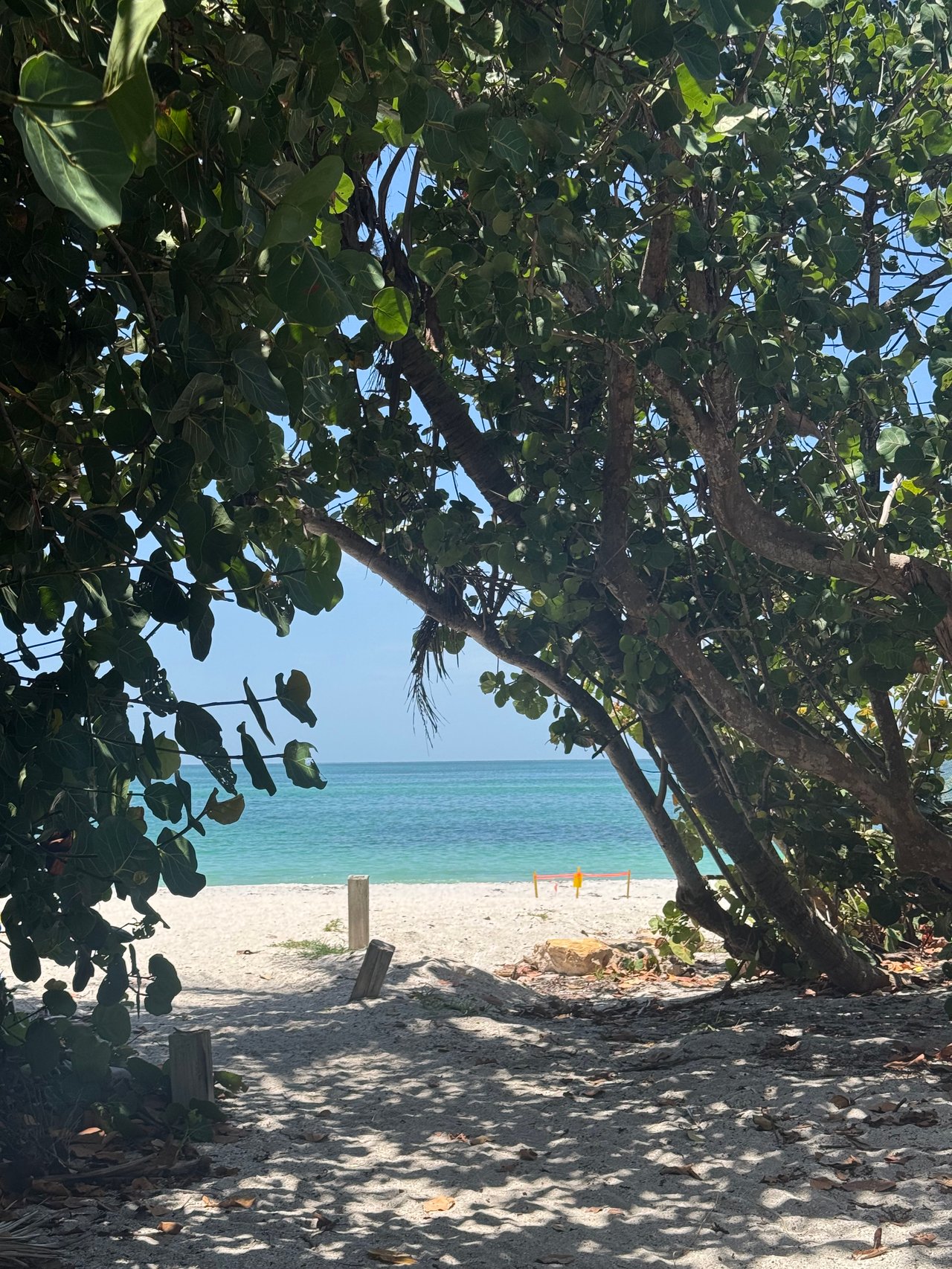
One of Boca Grande’s advantages is how easily village life connects to the island’s coastal setting. Gasparilla Island State Park adds beach and nature access that can turn a village stroll into a fuller day outdoors.
According to the state park, popular activities include swimming, sunbathing, snorkeling, shelling, and beach walking. The park also identifies Gulf-side beach access points and parking areas, which helps if you want to combine a village walk with time near the water.
This connection between downtown and shoreline is part of the island’s everyday appeal. In many places, historic districts and beach access feel separate. Here, they are part of the same lifestyle pattern.
Finish With the Lighthouse
At the south end of the island, the Port Boca Grande Lighthouse and Museum provides a memorable finish. Florida State Parks says the lighthouse was built in 1890 to guide ships into Charlotte Harbor.
It is an iron screw-pile lighthouse with a wood frame visible from up to 12 miles away. The park also notes that it is one of only six Florida lighthouses open to the public and the only one on the west coast.
If your goal is to understand Boca Grande as more than a resort destination, this is a strong final stop. It ties together maritime history, preservation, and the natural setting that still defines the island.
What Buyers Should Notice on Foot
If you are exploring Boca Grande with real estate in mind, a walk through the Historic District can tell you a great deal. You can see how close homes may be to shops, civic spaces, and beach-oriented amenities, and you can get a feel for the village’s pace and scale in real time.
You should also pay attention to preservation context. Lee County says the Boca Grande Historic Preservation Board reviews cases affecting historic-designated resources, and county materials point property owners to a Design Guidelines Manual for the Boca Grande Historic District.
That does not make ownership less appealing. In many cases, it is exactly what protects the character people come here for. The broader community plan also states that redevelopment should remain compatible in scale and design with existing structures, while the Gasparilla Island Conservation District limits development densities to protect the island’s fragile environment.
For buyers, that means Boca Grande’s value often comes from preservation, small scale, and island identity rather than large-scale expansion. If that is what you are looking for, a walk here can clarify your priorities quickly.
Why a Local Stroll Matters
You can learn a lot from listing photos and market data, but Boca Grande is best understood at walking speed. The district reveals itself through details like porch depth, shade cover, civic buildings, storefront spacing, and the easy transition from village streets to coastal edges.
That kind of firsthand understanding matters when you are considering a village home, condo, or nearby island property. It helps you move beyond price per square foot and start thinking about how you actually want to live here.
If you are considering a purchase or planning a sale in Boca Grande, local context makes all the difference. When you are ready for clear guidance rooted in long experience on the island, connect with Jamie Curry's real estate team.
FAQs
Is Boca Grande’s Historic District truly walkable?
- Yes. County planning materials describe the village core as compact and very walkable, with a concentrated mix of historic buildings, shops, civic spaces, and nearby public stops.
What landmarks should you notice in Boca Grande’s Historic District?
- Key stops include the Gasparilla Inn, the Boca Grande Community Center, Banyan Street, the Johann Fust Community Library, and nearby extensions toward Gasparilla Island State Park and the Port Boca Grande Lighthouse.
Where can you find restrooms during a Boca Grande village walk?
- Public restrooms are listed by the chamber at the chamber office, the Boca Grande Community Center, all state parks, and the Johann Fust Community Library.
How does Boca Grande history shape the village today?
- The district grew from early railroad, phosphate, school, and resort development, which helps explain its compact layout, layered architecture, and lasting village scale.
How do preservation rules affect Boca Grande historic properties?
- Lee County says the Boca Grande Historic Preservation Board reviews cases affecting historic-designated resources, and redevelopment is expected to stay compatible in scale and design with the district’s existing character.
Why should homebuyers walk Boca Grande before purchasing?
- A walk helps you experience the district’s pace, access, architecture, and daily rhythm firsthand, which can be just as important as square footage or finishes when choosing the right island property.