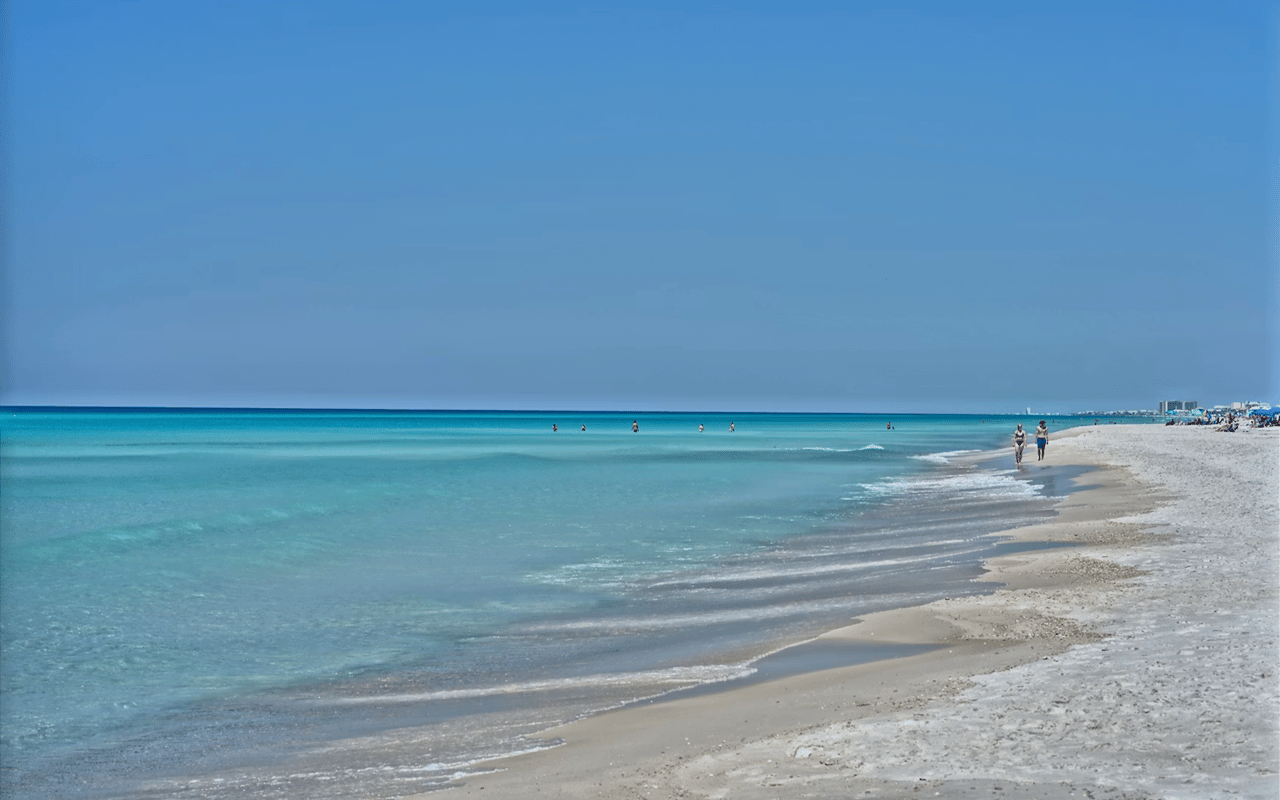
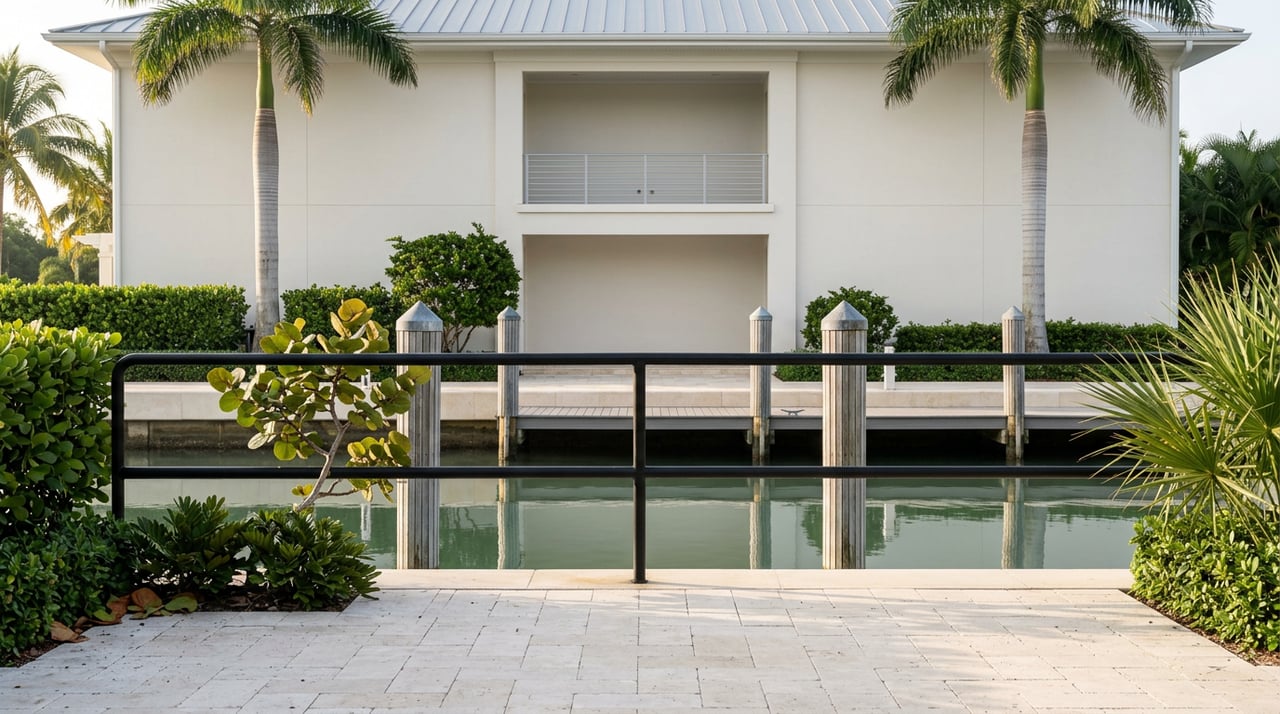
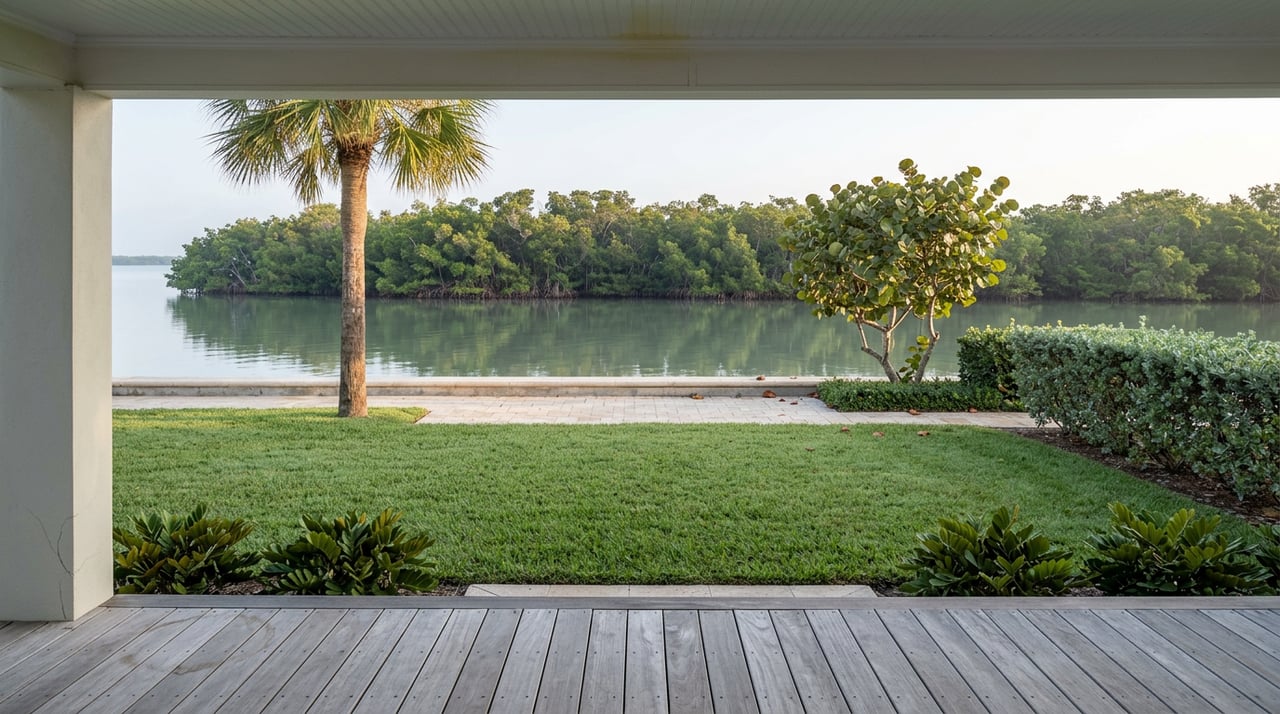
Boca Grande, FL is one of Florida’s most exclusive island communities, offering refined coastal living on the serene shores of Gasparilla Island. With its combination of historical charm, pristine beaches, and luxury real estate, the area attracts both full-time residents and seasonal homeowners. For those considering a property purchase in this sought-after enclave, understanding the Boca Grande, FL property tax system is a critical part of the buying process. While Florida is known for having no state income tax, property taxes are a key component of annual homeownership costs, and they vary based on location, property use, and assessed value.
Navigating Florida’s property tax structure requires a clear understanding of how taxes are assessed, calculated, and applied—especially in a market where home values can be significantly higher than the state average. Boca Grande spans two counties—Lee County to the north and Charlotte County to the south—which can impact the exact rates and administrative processes. Prospective buyers should be prepared with accurate, localized information to budget effectively and take advantage of any applicable exemptions.
How Property Taxes Are Calculated in Boca Grande
The Boca Grande, FL property tax system operates under Florida’s ad valorem taxation model, which means that taxes are based on the assessed value of the property. County property appraisers determine the market value of each parcel annually, using comparable sales, location, square footage, and improvements to generate an estimate. From there, various millage rates (the amount per $1,000 of assessed value) are applied by taxing authorities such as the county, school district, fire district, and any local municipalities.
For example, as of 2025, Lee County’s total millage rate averages between 12 and 15 mills depending on the property’s location and services provided. A home with an assessed value of $2 million would be subject to a property tax bill of approximately $30,000 to $34,000 annually before exemptions. In Charlotte County, rates are similar, though exact figures depend on the taxing district in which the property resides.
Florida law also permits assessed value to differ from market value, especially for long-term residents who benefit from the Save Our Homes cap, which limits annual increases in assessed value for homesteaded properties. For new buyers, it’s important to note that assessed values often reset to the current market value after a sale, meaning that the previous owner’s tax bill may be significantly lower than what the new owner will pay.
For example, as of 2025, Lee County’s total millage rate averages between 12 and 15 mills depending on the property’s location and services provided. A home with an assessed value of $2 million would be subject to a property tax bill of approximately $30,000 to $34,000 annually before exemptions. In Charlotte County, rates are similar, though exact figures depend on the taxing district in which the property resides.
Florida law also permits assessed value to differ from market value, especially for long-term residents who benefit from the Save Our Homes cap, which limits annual increases in assessed value for homesteaded properties. For new buyers, it’s important to note that assessed values often reset to the current market value after a sale, meaning that the previous owner’s tax bill may be significantly lower than what the new owner will pay.
Homestead Exemption and Save Our Homes Cap
One of the most significant advantages available to primary residents is Florida’s Homestead Exemption. This exemption can reduce the taxable value of a home by up to $50,000 for qualifying homeowners, thereby lowering the Boca Grande, FL property tax bill. To qualify, the property must be the owner’s permanent residence as of January 1 of the tax year, and the application must be submitted by March 1.
Beyond the initial exemption, the Save Our Homes amendment limits increases in assessed value for homesteaded properties to 3% annually or the change in the Consumer Price Index (CPI), whichever is lower. This cap protects long-term homeowners from rapid increases in property taxes due to soaring market values—a common occurrence in luxury areas like Boca Grande.
Buyers intending to make Boca Grande their permanent residence should plan to apply for the Homestead Exemption promptly after closing. This can have a substantial impact on long-term tax liability and should be factored into financial planning during the purchasing process.
Beyond the initial exemption, the Save Our Homes amendment limits increases in assessed value for homesteaded properties to 3% annually or the change in the Consumer Price Index (CPI), whichever is lower. This cap protects long-term homeowners from rapid increases in property taxes due to soaring market values—a common occurrence in luxury areas like Boca Grande.
Buyers intending to make Boca Grande their permanent residence should plan to apply for the Homestead Exemption promptly after closing. This can have a substantial impact on long-term tax liability and should be factored into financial planning during the purchasing process.
Portability for Existing Florida Residents
For buyers moving to Boca Grande from another Florida residence, the Portability benefit under the Save Our Homes provision allows them to transfer all or part of their tax savings from their previous homesteaded property to their new primary residence. This is especially relevant for buyers upsizing or relocating from other parts of the state.
Portability can result in tens of thousands of dollars in preserved tax value, offering a significant reduction in the Boca Grande, FL property tax base for qualifying homeowners. The transfer must be applied for within three years of leaving the former residence and can be completed alongside the Homestead Exemption application.
Real estate professionals in Boca Grande often coordinate with county tax offices and legal advisors to help buyers determine the exact portability value and ensure all necessary documentation is submitted on time.
Portability can result in tens of thousands of dollars in preserved tax value, offering a significant reduction in the Boca Grande, FL property tax base for qualifying homeowners. The transfer must be applied for within three years of leaving the former residence and can be completed alongside the Homestead Exemption application.
Real estate professionals in Boca Grande often coordinate with county tax offices and legal advisors to help buyers determine the exact portability value and ensure all necessary documentation is submitted on time.
Non-Homesteaded Properties and Rental Considerations
Not all buyers will qualify for the Homestead Exemption, particularly those purchasing second homes or seasonal properties. In these cases, the full assessed value of the home is used to calculate taxes, and there are no caps on annual increases in assessed value. This is an important distinction, as many Boca Grande buyers use their properties seasonally or as vacation rentals.
For non-homesteaded properties, especially those in high-value waterfront areas, Boca Grande, FL property tax bills can be substantial. Buyers should anticipate the impact of annual reassessments based on market activity and recent comparable sales. Consulting with a local agent and property tax expert can provide a more accurate projection of ongoing costs.
If the home will be used as a short-term rental, buyers should also understand that additional registration and business tax requirements may apply. Lee and Charlotte counties both regulate vacation rentals and collect tourist development taxes, which can add another layer of cost and compliance.
For non-homesteaded properties, especially those in high-value waterfront areas, Boca Grande, FL property tax bills can be substantial. Buyers should anticipate the impact of annual reassessments based on market activity and recent comparable sales. Consulting with a local agent and property tax expert can provide a more accurate projection of ongoing costs.
If the home will be used as a short-term rental, buyers should also understand that additional registration and business tax requirements may apply. Lee and Charlotte counties both regulate vacation rentals and collect tourist development taxes, which can add another layer of cost and compliance.
Special Districts and Island Services
Because Boca Grande is a unique island community, property owners often contribute to special taxing districts that support critical infrastructure and services. These can include mosquito control, fire protection, beach and shoreline maintenance, and water service management. Each district has its own millage rate, which is included in the overall property tax calculation.
Additionally, certain gated or private communities within Boca Grande may assess separate homeowner association (HOA) fees to fund amenities, private roads, or community maintenance. While not part of the official property tax, these fees should be evaluated in tandem with the property’s tax liability when assessing the total cost of ownership.
Understanding how these local assessments apply to individual parcels helps buyers make informed decisions about location and affordability within Boca Grande.
Additionally, certain gated or private communities within Boca Grande may assess separate homeowner association (HOA) fees to fund amenities, private roads, or community maintenance. While not part of the official property tax, these fees should be evaluated in tandem with the property’s tax liability when assessing the total cost of ownership.
Understanding how these local assessments apply to individual parcels helps buyers make informed decisions about location and affordability within Boca Grande.
Budgeting and Payment Process
Florida property taxes are assessed annually and paid in arrears, meaning taxes for the current year are due by March 31 of the following year. Discounts are available for early payment: 4% in November, 3% in December, 2% in January, and 1% in February. Tax bills are typically sent out in early November.
Most buyers finance their homes with an escrow account that includes property taxes in monthly mortgage payments. However, for cash buyers or those without escrow, staying aware of due dates is critical to avoid penalties or liens.
Buyers should review the previous year’s tax bill for any property they are considering purchasing, understanding that the amount may increase after the sale. Working with a knowledgeable local agent and consulting with the county property appraiser’s office can provide clarity on estimated tax burdens moving forward.
Most buyers finance their homes with an escrow account that includes property taxes in monthly mortgage payments. However, for cash buyers or those without escrow, staying aware of due dates is critical to avoid penalties or liens.
Buyers should review the previous year’s tax bill for any property they are considering purchasing, understanding that the amount may increase after the sale. Working with a knowledgeable local agent and consulting with the county property appraiser’s office can provide clarity on estimated tax burdens moving forward.
Contact Jamie Curry to Navigate the Boca Grande, FL Property Tax System
Whether you're relocating full-time or seeking a seasonal retreat, understanding the Boca Grande, FL property tax system is key to making a confident and informed purchase. For guidance tailored to your goals, contact Jamie Curry. With in-depth knowledge of Gasparilla Island’s real estate landscape and long-standing relationships with local officials and advisors, Jamie ensures buyers are fully prepared for both the transaction and long-term ownership in one of Florida’s most desirable markets.