By Jamie Curry
Most sellers on Gasparilla Island spend considerable time thinking about pricing, presentation, and timing — and relatively little time thinking about inspections until a buyer's report lands on the table and changes the conversation. That's a costly order of operations. On an island where properties are scrutinized by experienced buyers and their agents, knowing your home's condition before you list gives you the information you need to stay in control of the sale. Here's what I walk my sellers through before we put a sign in the yard.
Key Takeaways
- A pre-listing inspection lets you address issues on your timeline, not the buyer's
- Florida's coastal conditions create specific inspection points that mainland sellers don't encounter
- Disclosure obligations mean you benefit from knowing exactly what you're disclosing
- A clean or well-documented inspection report can reduce negotiation friction and support your asking price
Why the Pre-Listing Inspection Makes Sense in This Market
Florida law doesn't require sellers to commission a pre-listing home inspection before putting a property on the market. Most sellers don't do it — surveys have found fewer than one in four sellers gets an inspection before listing. That statistic works in your favor if you do.
On Boca Grande, buyers typically arrive well-represented and well-advised. Their inspectors are experienced with coastal properties, and their agents understand exactly what to push back on. If an inspection uncovers a roof issue, a seawall concern, or evidence of moisture intrusion, that discovery happens on the buyer's timeline and becomes leverage in negotiation at a point when you're already committed to the sale.
A pre-listing inspection flips that dynamic. You find out what exists, you decide what to repair and what to price into the listing, and you go to market with a transparent picture of the property's condition. Buyers respond well to that clarity. It signals a seller who is prepared, which tends to attract more serious offers and fewer contingency-driven complications.
On Boca Grande, buyers typically arrive well-represented and well-advised. Their inspectors are experienced with coastal properties, and their agents understand exactly what to push back on. If an inspection uncovers a roof issue, a seawall concern, or evidence of moisture intrusion, that discovery happens on the buyer's timeline and becomes leverage in negotiation at a point when you're already committed to the sale.
A pre-listing inspection flips that dynamic. You find out what exists, you decide what to repair and what to price into the listing, and you go to market with a transparent picture of the property's condition. Buyers respond well to that clarity. It signals a seller who is prepared, which tends to attract more serious offers and fewer contingency-driven complications.
What a pre-listing inspection typically covers on a Boca Grande property:
- Roof condition, age, and any damage from coastal exposure or prior storm seasons
- HVAC systems, including ductwork and insulation performance in a high-humidity environment
- Plumbing fixtures, water heater condition, and signs of past water intrusion
- Electrical panels, wiring, and outlet safety
- Structural elements including framing, slab, and any signs of foundation movement
- Exterior including siding, windows, doors, and soffits for salt air or moisture deterioration
Florida-Specific Inspection Points That Matter Most to Island Sellers
Gasparilla Island's environment creates wear patterns and risk factors that don't come up in standard mainland inspections. Understanding these in advance helps you address them before they become buyer objections.
Roof age is the single most consequential factor for both insurability and negotiation. Florida insurance carriers increasingly refuse to issue policies on homes with roofs older than 15 years, and many buyer lenders require proof of insurability before closing. If your roof is approaching or past that threshold, getting a roof inspection and a clear picture of its remaining lifespan — or replacing it proactively — can preserve both your listing price and your buyer pool.
Termites and WDO damage are a consistent concern in coastal Florida. A Wood Destroying Organism inspection is required by most lenders, and buyers will order one regardless. Having a clean current WDO certificate as part of your pre-listing documentation removes a common point of delay and demonstrates that the property has been actively maintained.
Wind mitigation is another area worth addressing before listing. A wind mitigation report documents hurricane-resistant features like impact windows, reinforced roof connections, and storm shutters. That documentation can meaningfully reduce a buyer's insurance premium, which supports affordability at your price point and can make your property more attractive compared to others without that documentation.
Roof age is the single most consequential factor for both insurability and negotiation. Florida insurance carriers increasingly refuse to issue policies on homes with roofs older than 15 years, and many buyer lenders require proof of insurability before closing. If your roof is approaching or past that threshold, getting a roof inspection and a clear picture of its remaining lifespan — or replacing it proactively — can preserve both your listing price and your buyer pool.
Termites and WDO damage are a consistent concern in coastal Florida. A Wood Destroying Organism inspection is required by most lenders, and buyers will order one regardless. Having a clean current WDO certificate as part of your pre-listing documentation removes a common point of delay and demonstrates that the property has been actively maintained.
Wind mitigation is another area worth addressing before listing. A wind mitigation report documents hurricane-resistant features like impact windows, reinforced roof connections, and storm shutters. That documentation can meaningfully reduce a buyer's insurance premium, which supports affordability at your price point and can make your property more attractive compared to others without that documentation.
Pre-listing documentation that strengthens your position:
- Recent roof inspection or certification, especially for roofs 10 years or older
- Current WDO inspection showing no active infestations or material damage
- Wind mitigation report if the property has qualifying construction features
- Permits and maintenance records for any work completed in the past five years
- Pool and spa inspection results if the property includes outdoor water features
Understanding Your Disclosure Obligations
Florida does not require sellers to complete a standardized written disclosure form, but the state does require disclosure of known material defects that would affect a buyer's decision. This is a critical distinction. You do not have to fill out a form — but you are legally required to disclose problems you know about.
A pre-listing inspection creates a documented record of the property's condition as of the listing date. If you choose to repair something found in that inspection, you can note the repair and its documentation. If you choose not to repair it, you disclose the issue to buyers directly rather than waiting for their inspector to surface it in the middle of a negotiation.
Both paths give you more control than discovering an undisclosed issue after closing, which can lead to litigation. The pre-listing inspection is not just a sales tool — it's a form of liability management.
A pre-listing inspection creates a documented record of the property's condition as of the listing date. If you choose to repair something found in that inspection, you can note the repair and its documentation. If you choose not to repair it, you disclose the issue to buyers directly rather than waiting for their inspector to surface it in the middle of a negotiation.
Both paths give you more control than discovering an undisclosed issue after closing, which can lead to litigation. The pre-listing inspection is not just a sales tool — it's a form of liability management.
How sellers typically handle findings from a pre-listing inspection:
- Repair the issue before listing and document the work with receipts and permits
- Disclose the issue and price it into the listing from the start
- Provide a buyer credit at closing in lieu of repair, negotiated upfront rather than mid-contract
- No action required for minor cosmetic findings that carry no material impact on value
What Buyers' Inspectors Will Look for on Gasparilla Island
Even if you do a thorough pre-listing inspection, the buyer will almost certainly order their own. Understanding what their inspector will prioritize helps you prepare the property accordingly.
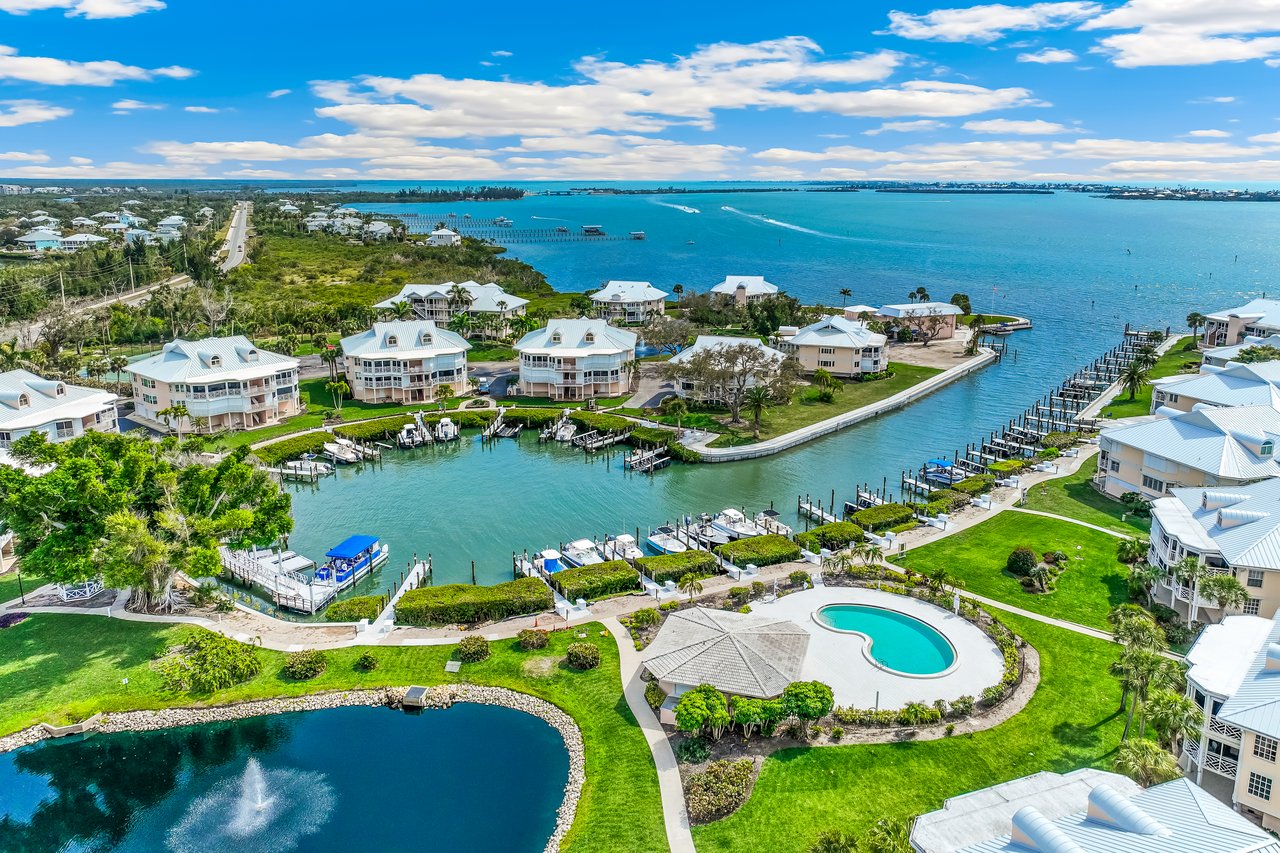
Waterfront properties on Boca Grande receive focused scrutiny on seawall and dock condition. A seawall inspection assesses structural integrity, erosion, and any signs of undermining. Buyers at the $3 million and above price point often bring in a marine engineer separately for this assessment. Knowing the condition of your seawall before listing — and having documentation of any maintenance or repairs — is essential for waterfront sellers.
Moisture intrusion and mold are also high-priority items for any coastal Florida inspector. High humidity, seasonal rain, and salt air create conditions where deferred maintenance can lead to water damage in attic spaces, behind exterior walls, and around window and door frames. A pre-listing inspection that checks these areas gives you the chance to address any findings before they become buyer demands.
Waterfront properties on Boca Grande receive focused scrutiny on seawall and dock condition. A seawall inspection assesses structural integrity, erosion, and any signs of undermining. Buyers at the $3 million and above price point often bring in a marine engineer separately for this assessment. Knowing the condition of your seawall before listing — and having documentation of any maintenance or repairs — is essential for waterfront sellers.
Moisture intrusion and mold are also high-priority items for any coastal Florida inspector. High humidity, seasonal rain, and salt air create conditions where deferred maintenance can lead to water damage in attic spaces, behind exterior walls, and around window and door frames. A pre-listing inspection that checks these areas gives you the chance to address any findings before they become buyer demands.
Common findings in Boca Grande luxury property inspections:
- Roof wear and age-related deterioration, particularly on tile or older metal roofs
- HVAC efficiency and age, given heavy usage in Florida's climate
- Seawall and dock condition for waterfront and harbor-access properties
- Evidence of prior water intrusion around windows, sliding doors, or roof penetrations
- Pool equipment condition including pumps, heaters, and screening
FAQs
Will the buyer order their own inspection even if I provide a pre-listing report?
Almost certainly, yes. Most buyers will still conduct their own due diligence even with a pre-listing report in hand. The value of the pre-listing inspection is not that it replaces the buyer's — it's that it lets you resolve issues on your own timeline and reduces the likelihood of late-stage surprises that derail the deal.
Does a pre-listing inspection affect what I have to disclose?
Once you are aware of a material defect — whether through a formal inspection or from your own knowledge — you are required to disclose it in Florida. A pre-listing inspection makes your disclosures more specific and well-documented, which protects you legally and builds buyer confidence.
How much does a home inspection typically cost in Florida?
For a standard single-family home, expect to pay between $300 and $600. Larger island homes with pools, docks, and complex systems will run higher. Specialized assessments like WDO inspections, wind mitigation reports, and seawall evaluations are priced separately. Relative to the transaction value of a Boca Grande sale, this is a modest investment with meaningful protective value.
Sell Your Boca Grande Home With Confidence
Sellers who come to market with a clear picture of their property's condition close faster, negotiate from a stronger position, and face fewer last-minute surprises. I've helped sellers on Gasparilla Island navigate this process for over 25 years, and the pre-listing inspection conversation is one of the first ones I have with every new seller client.
Reach out to me to learn more about how I prepare and position Boca Grande properties for sale and let's talk through your timeline.
Reach out to me to learn more about how I prepare and position Boca Grande properties for sale and let's talk through your timeline.